

More Filipino families are choosing flexible education options that support senior high students and lifelong learners while fitting around work, home, and daily responsibilities.
Key Takeaways
- Flexible learning options allow Filipino students to study anytime and anywhere while balancing school, work, and family responsibilities.
- Online Senior High School and short courses give learners practical ways to continue education without leaving their homes or current commitments.
- Many Filipino families now value education that adapts to real-life needs, helping students stay motivated, focused, and prepared for future academic or career paths.
Education continues to change as technology, family routines, and career goals evolve. Many students and parents now look for learning paths that match real life. Because of this shift, online education in the Philippines has become a practical option for families seeking accessible, flexible learning.
For many Filipino households, the decision to study online is not only about convenience. It reflects a deeper belief that education should adapt to learners rather than forcing them to adjust to rigid systems.
Today, programs like Online Senior High School and short courses give students new ways to learn while managing work, responsibilities at home, and personal goals. These flexible learning options are helping more Filipinos continue their education without sacrificing other important parts of their lives.
Below are some key reasons why more Filipino families are choosing online learning today.
Top Reasons Filipino Families Are Choosing Online Education
Online learning offers several benefits that appeal to students and families across the Philippines. Here are the benefits of flexible learning options that match the modern Filipino learner’s needs.
1. Learning That Fits Real Life
Many students today juggle several responsibilities. Some help their families at home. Others work part-time or pursue personal projects.
Flexible online learning allows students to study according to their schedule. Lessons, modules, and assessments are accessible online, which means students can review materials whenever they need to.
This approach also allows learners to move at their own pace. If a lesson feels difficult, students can revisit it until they understand the topic better. As a result, flexible learning helps build confidence and encourages independent learning.
Students often find this approach more empowering because they take an active role in their education.
2. Greater Flexibility for Families
Parents play an important role in choosing the right learning environment for their children. For many families, flexibility has become a major factor.
Online learning allows families to manage school schedules alongside household responsibilities. Parents can support their children’s studies while maintaining daily routines at home.
Flexible learning options also help families deal with changing circumstances. Whether students live in busy cities or remote areas, they can still access quality learning without relocating.
This flexibility gives families peace of mind. Students can continue their education without disruptions.
3. A Safer and More Comfortable Learning Environment
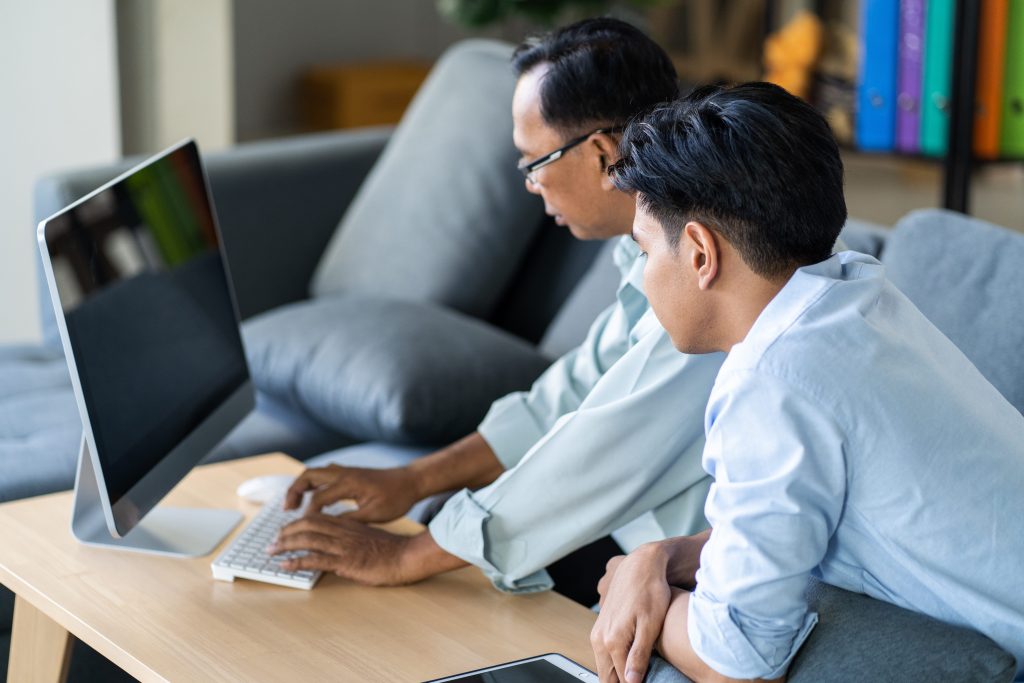
Many parents prefer a learning environment where their children can study in a familiar, controlled setting.
Online learning allows students to attend classes from home while still following structured academic programs. Parents can stay more involved in their children’s learning journey.
Home-based learning also helps reduce long commutes and daily travel stress. Students can spend more time studying, resting, and engaging in activities that support their well-being.
For many families, this sense of safety and comfort is an important reason for choosing online education.
4. Strong Preparation for Future Opportunities
Online education is not only about flexibility. It also highlights many benefits of online learning, especially in preparing students for future academic and career goals.
Senior High School programs delivered through online platforms follow national education standards, ensuring that students receive structured lessons and assessments that support their academic development.
Students graduate with the knowledge and skills needed to pursue college education, employment opportunities, or entrepreneurial ventures.
At the same time, online learning helps students develop important life skills, such as discipline, time management, and independent thinking.
These skills are valuable far beyond the classroom.
5. Practical Short Courses for Lifelong Learning
Education does not stop after senior high school or college. Many adults continue learning to improve their careers or explore new interests.
Short courses provide a practical path for lifelong learning. These programs focus on specific skills that learners can apply in real-world situations.
Working professionals often choose short courses to upgrade their knowledge without interrupting their careers. Others take them to explore new fields or gain additional credentials.
Because the programs are flexible and shorter, they are easier to fit into busy schedules. Overall, flexible education makes continuous education more accessible to more people.
6. A Clear Path for Continuous Education
One reason families trust online learning platforms is the opportunity for long-term academic growth.
Students can begin with senior high school programs and later pursue higher education, postgraduate programs, or specialized training. This creates a continuous learning journey that supports their personal and professional goals.
For families, this progression offers reassurance. They know their children can continue learning without needing to change schools or adjust to unfamiliar systems.
Online education becomes more than a temporary solution. It becomes part of a long-term educational plan that can support learners from senior high school to postgraduate studies.

A Better Way to Learn, Today and Beyond
More Filipino families are exploring new ways to approach education. Traditional learning environments still exist, but many students now benefit from flexible learning models that match their lifestyles.
Flexible learning alternatives allow students to study without giving up work opportunities, family responsibilities, or personal goals. Online learning also helps students develop independence, discipline, and confidence. These qualities prepare them not only for academic success but also for future careers and lifelong learning.
As education continues to evolve, more families are realizing that meaningful learning does not have to take place in a traditional classroom. With the right support and structure, students can pursue quality education from anywhere.
For many Filipino learners, flexible education is not simply an alternative but a practical and empowering path forward. Contact OEd if you want to learn more about flexible learning.
Frequently Asked Questions
1. Who can benefit from flexible online learning?
Working students, senior high learners, parents managing home schedules, and professionals who want to continue learning can benefit from flexible online education.
2. Can students study at their own pace in online programs?
Many online programs allow students to review lessons anytime, which helps them learn at a pace that fits their schedule and learning style.
3. Do parents need to be actively involved in their child’s online learning?
Parents are encouraged to stay involved, especially for younger students, but they do not need to manage every lesson. Online programs are designed to guide students while allowing them to build independence.